From Tarmac to Table: The 2026 Executive Arrival Playbook for Heathrow to Mayfair
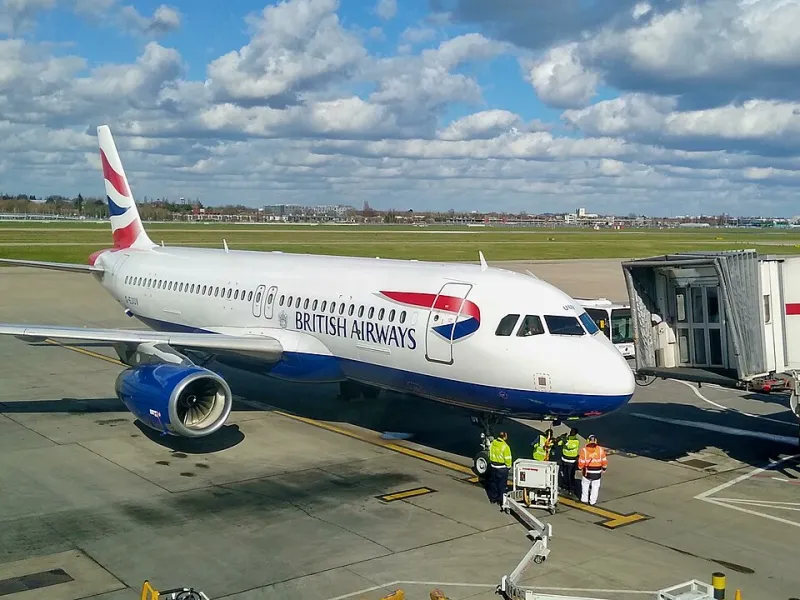
Photo: Mertbiol, CC0, via Wikimedia Commons
An executive arrival is not merely a transfer. It is the first controlled impression of a business trip, and it is judged against a simple standard: did the journey from aircraft to destination feel planned, private and predictable? The Heathrow-to-Mayfair corridor is a useful case study because it combines a major international gateway, a dense urban destination and a traveller who may need to work, rest or prepare for a meeting within the first hour of arrival.
The arrival brief
A reliable transfer begins long before the aircraft lands. The chauffeur company should receive the flight number, terminal, scheduled arrival time, passenger name, mobile contact, luggage count and preferred destination address. For a 2026 executive arrival, it is also useful to record any frequent-flyer or fast-track arrangements, although the chauffeur should not depend on them. The vehicle should be assigned in advance, with a backup plan in case of operational disruption.
Flight tracking is the foundation of the service. The chauffeur monitors the aircraft’s estimated arrival, gate activity and baggage delivery where available. If the flight lands early, the car can be brought forward. If it is delayed, the booking is adjusted without the passenger needing to intervene. This is particularly important on early-morning arrivals, when terminal congestion and immigration queues can vary considerably.
Meet-and-greet and luggage handling
The meet-and-greet should be precise rather than theatrical. The chauffeur waits in the arrivals hall with a discreet name board, confirms the passenger’s identity and takes charge of the luggage. At Heathrow, the meeting point should be agreed in advance and supported by a mobile message if the passenger is delayed. The chauffeur should know the terminal layout, the shortest route to the vehicle and any current restrictions on pickup access.
Luggage handling is part of the service, not an afterthought. The chauffeur should manage cases, briefcases and any specialist equipment with care, confirm that nothing has been left at the meeting point and load the vehicle efficiently. For travellers arriving with colleagues or family, the vehicle specification should be matched to the passenger count and luggage volume. A well-planned arrival avoids the familiar friction of negotiating trolleys, lifts and kerbside access after a long flight.
The in-car workspace
For many executives, the journey from Heathrow to Mayfair is the first available working window of the day. The vehicle should therefore be treated as an extension of the arrival plan. Reliable Wi-Fi, charging points for phones and laptops, privacy glass where appropriate, still water and a quiet cabin are practical requirements rather than indulgences. The chauffeur should be attentive but unobtrusive, allowing calls to proceed without interruption.
Some passengers will prefer to prepare for a morning meeting; others will use the time to rest. A good chauffeur reads that preference quickly. The temperature should be adjusted, the route explained briefly, and any requests for silence respected. The objective is not to fill the journey with conversation but to make the time useful.
Route and traffic planning
A 06:00 landing at Heathrow Terminal 5 can realistically place a passenger in Mayfair by 08:00, provided the arrival process is efficient and the route is planned with care. Disembarkation may take fifteen to twenty minutes, immigration and baggage a further twenty to thirty, and the drive between forty-five and seventy-five minutes depending on conditions. The chauffeur should build these allowances into the schedule rather than promise an unrealistic door-to-door time.
The primary route usually runs from Heathrow via the M4 and A4, continuing through Cromwell Road and Knightsbridge towards Park Lane and Mayfair. Early-morning traffic is generally manageable, but roadworks, events and weather can alter the picture. The chauffeur should monitor live conditions and be prepared to use alternative approaches via the A40 or M25 where circumstances demand. For a 20:00 dinner reservation in Mayfair, the arrival plan should include a buffer for a hotel check-in, a change of clothes and a short period of preparation.
Fixed pricing versus surge fares
For business travel, fixed pricing offers more than budgetary certainty. It removes the variable of surge fares, meter waiting and uncertain vehicle availability at the terminal. The agreed price should be clear about what is included: meet-and-greet, waiting time, parking, luggage assistance and any applicable charges. The passenger should not discover additional costs after the journey.
Taxi and ride-hailing services can be perfectly adequate for simple journeys, but they are less suited to executive arrivals where timing, discretion and continuity matter. A reserved chauffeur service provides a known vehicle, a planned meeting point and a single point of contact. If the flight is delayed, the service adapts. If the passenger’s plans change, the plan can be revised rather than abandoned.
Building a repeatable arrival plan
The most effective approach is to create a template that can be reused for future trips. Record the passenger’s preferences, preferred terminal meeting point, luggage profile, hotel or residence access instructions and any regular working requirements. Confirm the booking twenty-four hours before travel and again on the morning of arrival if conditions warrant. Share the chauffeur’s mobile number with the passenger and ensure that the office has a backup contact.
A worked timeline for the 06:00 arrival might run as follows: aircraft on stand at 06:00, passenger in the arrivals hall by 06:35, chauffeur meeting at 06:40, departure by 06:55 and arrival in Mayfair by 08:00. That leaves twelve hours before an evening dinner, ample time for meetings, check-in or a period of rest. The value lies not in the precision of the minutes but in the absence of uncertainty.
In 2026, executive travel rewards preparation over improvisation. A Heathrow-to-Mayfair transfer should feel less like a negotiated journey and more like a pre-arranged part of the business day. When flight tracking, meet-and-greet service, luggage handling, in-car working time and fixed pricing are aligned, the passenger steps from tarmac to table with composure intact.