The Civilised Threshold: A Chauffeured Prelude to the 2026 Eurostar
The journey begins before the station
A Eurostar day has a particular rhythm. There is the final glance around the drawing room, the settling of a coat, the quiet confirmation that passports and tickets are where they should be. Then the door closes, the car pulls away, and the holiday or the assignment has, in truth, already begun. The ground segment is not a prelude to be endured. It is the first chapter, and it sets the tone for everything that follows.
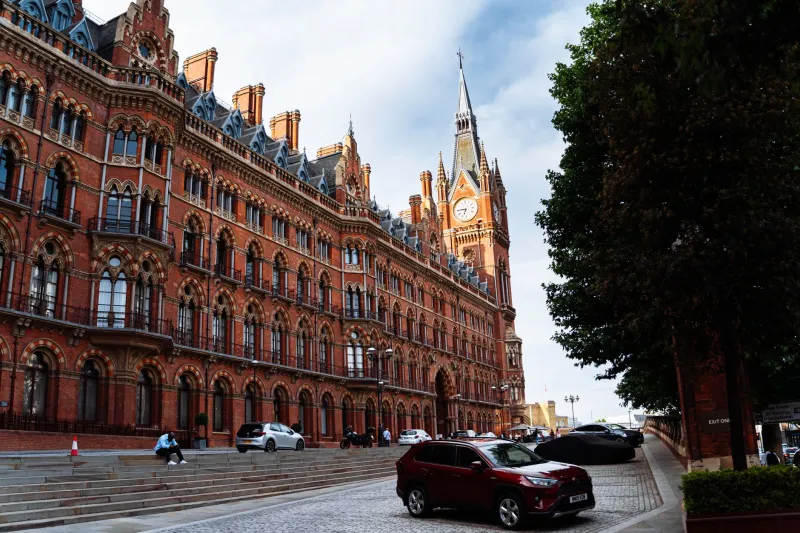
For travellers departing from Mayfair, the advantage is considerable. St Pancras International lies a short and, with sensible timing, remarkably civilised drive from the great squares and quieter streets of W1. The purpose of a chauffeured transfer is not merely to cover that distance. It is to remove the small uncertainties that can otherwise intrude upon an important departure: where to stop, how to manage the cases, when to leave, and whom to call if the morning begins to tighten.
Working backwards from the departure board
The most useful discipline in planning a Eurostar morning is to think in reverse. Begin with the train, not the traffic. Eurostar advises allowing a generous check-in window, typically in the region of 75 to 90 minutes before departure, and that guidance should be treated as the floor rather than the target. A Mayfair collection two hours and fifteen minutes before a mid-morning train is generally comfortable; for departures between 07:00 and 09:30, or on Fridays and the eve of public holidays, add a further twenty to thirty minutes.
There is an art to not arriving too early. Excessive margin turns the lounge into a waiting room and the morning into a vigil. The chauffeur will monitor traffic and adjust the collection time where necessary, but the passenger who provides the train number, the terminal and a mobile contact at the time of booking makes that adjustment far easier. The aim is a composed arrival: enough time for security and passport control, not so much that the day loses its shape.
Luggage, documents and the quiet details
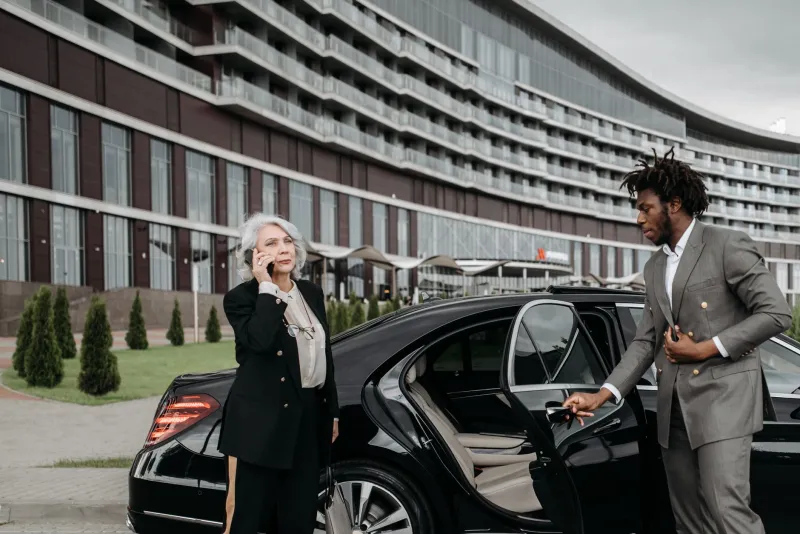
A chauffeured departure allows luggage to be handled with a certain calm. Cases are loaded, cabin bags kept accessible where required, and the rear seat left clear for the passenger. It is worth keeping travel documents in a single folio rather than distributed across coat pockets and bags. Passports, tickets, insurance details and any necessary reservations should be checked before the car arrives, not at the station door.
For the business traveller, the rear seat can serve as a final office. A short call, a last read of a brief, or simply a few minutes of silence before the station are all possible when the driving is entrusted to someone else. The chauffeur will not intrude upon that time. Nor will he disappear when assistance is needed. That balance is the essence of the service.
The approach to St Pancras International
From Mayfair, the route to St Pancras will vary with the hour. Early mornings often favour the run via Regent Street and Euston Road; later in the day, a line through Bloomsbury can be smoother. The immediate approach to the station is the part that rewards local knowledge. Pancras Road and the surrounding streets carry their own patterns of coach traffic, taxi queues and pedestrian movement, and the designated drop-off points are not the place for improvisation.
A good chauffeur will know where to place the car so that the walk to the entrance is short and the luggage transfer is orderly. The passenger should be left at the correct door, not merely in the vicinity of the station. On departure, a brief word about the return is sensible: the train number, the expected arrival time, and the point at which the car will meet the party on the way home.
Peak departures and the waiting arrangement
St Pancras is rarely more animated than on a Friday morning or at the start of a school holiday. At such times, the drop-off area can become congested and the check-in hall busy. The chauffeured solution is not to fight the station but to arrive slightly ahead of its worst moments and to keep the handover brief. The car should not linger where regulations forbid it; the chauffeur will instead wait nearby or return at the agreed time.
For the return leg, the arrivals hall at St Pancras can feel like a small crossroads of Europe. Passport control and baggage reclaim introduce variables that no driver can control, which is why the chauffeur will track the train and remain in contact. A name board at the agreed meeting point is preferable to a series of hurried calls. Once the cases are loaded, the car slips away from the station and the final stage of the journey becomes, once again, a private room in motion.
The rituals that make the day seamless
A confirmation the day before, a clear meeting point, a bottle of water in the rear console and a quiet check that the climate is right: these are small things, but they are the difference between a transfer and a service. The traveller who books a chauffeured Eurostar day is not buying distance. They are buying the removal of friction, the preservation of energy, and the satisfaction of beginning a European journey as one means to continue: calmly, privately and in good order.
In 2026, with St Pancras as busy as ever and the Continent closer than it has any right to feel, that civilised threshold is worth securing. The train will carry the passenger across borders. The car ensures that the day begins, and ends, on the right note.